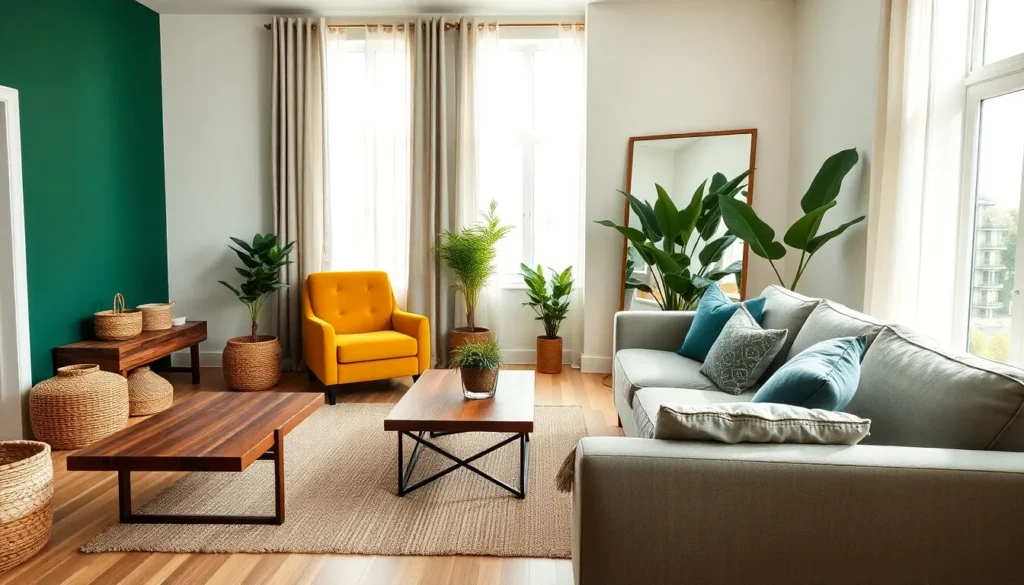

Finding the right top interior design ideas can completely change how a home looks and feels. Whether someone wants a cozy retreat or a modern showpiece, the right design choices make all the difference. This guide covers practical interior design ideas that bring style, comfort, and personality into any room. From natural materials to bold color choices, these strategies help homeowners create spaces they actually want to spend time in.
Table of Contents
ToggleKey Takeaways
- Natural materials like wood, stone, and linen add warmth and timeless character to any room.
- Bold accent walls and statement furniture pieces offer easy ways to experiment with top interior design ideas without overwhelming a space.
- Maximize natural light with mirrors, sheer curtains, and strategic furniture placement to make rooms feel larger and more inviting.
- Multi-purpose furniture and smart storage solutions blend functionality with aesthetic appeal for practical daily living.
- Sustainable choices like vintage furniture, low-VOC paints, and indoor plants benefit both your home’s air quality and the environment.
- Layer textures, lighting, and patterns throughout your space to create depth and visual interest in every room.
Embrace Natural Materials and Textures
Natural materials bring warmth and character to any room. Wood, stone, rattan, and linen add depth that synthetic materials simply can’t match. These elements connect indoor spaces to the outside world and create a calming atmosphere.
Start with wooden furniture pieces. A solid oak dining table or walnut coffee table becomes a focal point while lasting for decades. Reclaimed wood adds history and unique grain patterns that tell a story.
Texture plays a key role in top interior design ideas. Layer different textures to prevent rooms from feeling flat. A jute rug paired with velvet throw pillows creates visual interest. Woven baskets add storage while contributing to the overall aesthetic.
Stone accents work well in kitchens and bathrooms. Marble countertops or a slate backsplash add sophistication without overwhelming the space. Even small touches like stone coasters or a travertine soap dish make an impact.
Linen curtains soften harsh light while adding an organic feel. They move gently with air flow and age beautifully over time. Cotton and wool textiles in throws and cushions complete the natural palette.
Play With Bold Colors and Statement Pieces
Color transforms a room faster than almost any other design element. Bold colors create energy and personality when used strategically. The key is balance, too much can overwhelm, but the right amount energizes a space.
Statement walls offer an easy entry point. A deep emerald green or rich navy blue accent wall draws the eye and anchors the room. This approach lets homeowners experiment with bold interior design ideas without committing to an entire room.
Furniture can serve as the statement piece itself. A mustard yellow sofa or burnt orange armchair becomes art that also functions. These pieces work best against neutral backgrounds where they can truly stand out.
Art and accessories provide flexibility. A large-scale painting or sculptural light fixture adds drama. These elements can be swapped out more easily than furniture, allowing for seasonal updates or mood changes.
Pattern mixing requires confidence but pays off. Geometric rugs paired with floral pillows create dynamic spaces. Stick to a cohesive color palette when mixing patterns to maintain visual harmony.
Don’t forget the ceiling, often called the fifth wall. A painted ceiling in an unexpected color like terracotta or soft pink adds surprise and makes rooms feel more intentional.
Maximize Light and Open Spaces
Light shapes how people experience a room. Natural light makes spaces feel larger and more welcoming. Good lighting design ranks among the most important interior design ideas for any home.
Windows deserve attention first. Remove heavy drapes that block light. Sheer curtains or roman shades provide privacy while still letting sunlight through. Clean windows regularly, dirty glass blocks more light than most people realize.
Mirrors amplify available light. Position them across from windows to bounce light deeper into rooms. A large mirror can make a small room feel twice its actual size.
Layered artificial lighting creates flexibility. Combine overhead fixtures with table lamps and floor lamps. Dimmer switches allow adjustment based on time of day and activity. This layered approach is central to top interior design ideas for modern homes.
Open floor plans remain popular for good reason. They allow light to travel between spaces and make homes feel more spacious. Removing unnecessary walls or widening doorways can dramatically change how a home flows.
Furniture placement affects openness too. Pull furniture away from walls slightly. Create clear pathways through rooms. Avoid blocking windows with tall pieces. These simple adjustments improve both light flow and movement.
Blend Functionality With Aesthetic Appeal
Beautiful spaces must also work for daily life. The best interior design ideas marry form and function seamlessly. Every piece should earn its place through both usefulness and visual contribution.
Storage solutions need not be boring. Built-in shelving displays books and objects while keeping clutter contained. Ottomans with hidden storage serve as seating, footrests, and catch-alls. Entryway benches with hooks and cubbies manage coats and bags stylishly.
Multi-purpose furniture makes sense for smaller homes. A dining table that extends for guests, a sofa bed for visitors, or a desk that folds against the wall, these pieces solve real problems without sacrificing style.
Kitchens benefit most from functional design thinking. Organize cabinets based on how often items get used. Keep everyday dishes at eye level. Store rarely-used appliances up high or in pantry spaces.
Workspace integration has become essential. A dedicated corner with good lighting and comfortable seating supports remote work. Floating shelves above a desk keep supplies accessible without taking floor space.
Children’s spaces require extra functional planning. Choose furniture that grows with kids. Include plenty of accessible storage so cleanup becomes easy. Washable fabrics and durable surfaces prevent constant worry about messes.
Incorporate Sustainable and Eco-Friendly Elements
Sustainable design has moved from trend to expectation. Eco-friendly interior design ideas benefit both the planet and indoor air quality. Many sustainable choices also save money over time.
Vintage and secondhand furniture reduces waste while adding character. Estate sales, antique shops, and online marketplaces offer unique pieces with history. These items often feature higher-quality construction than mass-produced alternatives.
Low-VOC paints and finishes protect indoor air quality. Traditional paints release harmful chemicals for months after application. Low-VOC options now come in every color and finish imaginable.
Energy-efficient lighting makes environmental and financial sense. LED bulbs use a fraction of the energy of incandescent options and last for years. Smart lighting systems reduce waste by turning off automatically when rooms are empty.
Plants improve air quality while adding life to rooms. Snake plants, pothos, and spider plants thrive indoors with minimal care. Group plants of varying heights for visual impact. Even artificial plants made from sustainable materials work for those lacking a green thumb.
Natural fiber rugs and textiles biodegrade at end of life. Wool, cotton, jute, and hemp come from renewable sources. They also tend to feel better underfoot and against skin than synthetic alternatives.
Local sourcing reduces transportation impacts. Furniture and décor made nearby supports local craftspeople while cutting carbon emissions from shipping.