
Interior design ideas for 2026 reflect a shift toward comfort, sustainability, and smart living. Homeowners want spaces that feel inviting yet functional. Designers are responding with fresh approaches that blend warmth with modern efficiency.
This year’s trends move away from cold, sterile aesthetics. Instead, they embrace softer textures, earthy tones, and materials that respect the environment. Technology plays a larger role too, but it stays subtle, hidden speakers, automated lighting, and smart controls that blend into the background.
Whether someone is renovating a single room or designing an entire home, these interior design ideas offer practical inspiration. Each trend addresses real needs: better use of space, lower environmental impact, and rooms that adapt to daily life. Here’s what’s shaping interiors in 2026.
Table of Contents
ToggleKey Takeaways
- Interior design ideas for 2026 prioritize warm minimalism, combining clean lines with cozy textures like linen, wool, and natural wood.
- Sustainable materials such as reclaimed wood, bamboo, cork, and low-VOC paints are becoming standard choices for eco-conscious homeowners.
- Bold colors like deep greens and saturated blues, paired with textured surfaces and fluted details, add personality and depth to interiors.
- Multifunctional spaces with Murphy beds, modular furniture, and smart storage solutions maximize flexibility in smaller homes.
- Smart home technology integrates discreetly through hidden speakers, motorized window treatments, and furniture with built-in charging stations.
- The best 2026 interior design ideas balance comfort, sustainability, and subtle technology to create spaces that feel inviting and functional.
Warm Minimalism Takes Center Stage
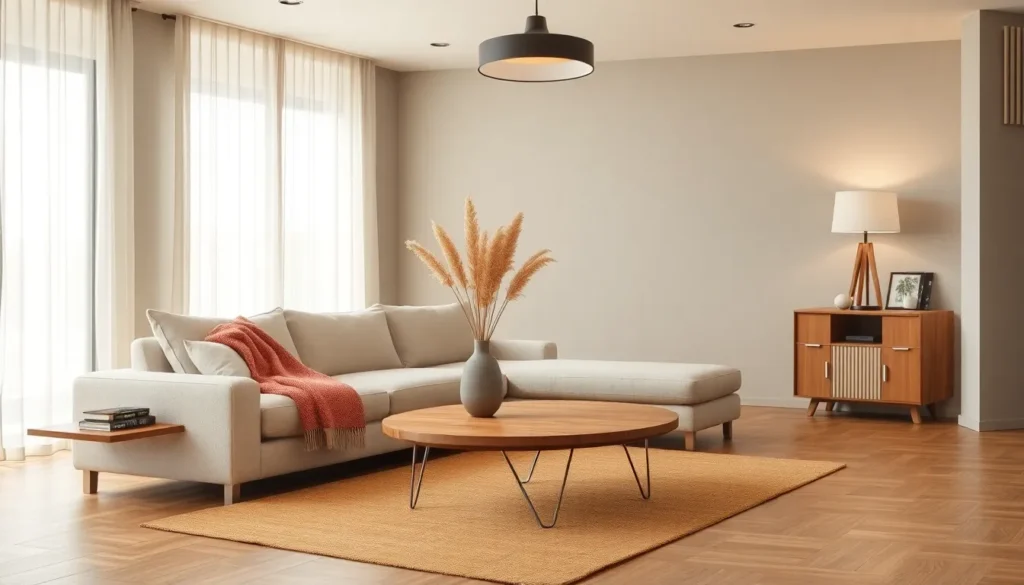
Warm minimalism defines many interior design ideas for 2026. This approach keeps clutter low while adding comfort through soft textures and natural materials. Think linen sofas, wooden furniture with rounded edges, and wool rugs in muted tones.
The cold, stark minimalism of previous years has lost its appeal. People now want rooms that feel lived-in, not staged. Warm minimalism delivers this by pairing clean lines with cozy elements. A simple room can still feel inviting when it includes a plush throw blanket or a ceramic vase with dried grasses.
Color palettes lean toward creams, terracottas, soft browns, and warm grays. These shades create a sense of calm without feeling boring. Lighting also matters, designers favor warm-toned bulbs and layered light sources over harsh overhead fixtures.
This trend works well in any room. Bedrooms benefit from low-profile beds with soft headboards. Living rooms look best with fewer but higher-quality pieces. The key is intentionality: every item earns its place.
Sustainable and Eco-Friendly Materials
Sustainability drives many interior design ideas in 2026. Homeowners increasingly choose materials that cause less environmental harm. Reclaimed wood, recycled metals, and organic fabrics have become standard options rather than niche choices.
Bamboo furniture continues to gain popularity because bamboo grows quickly and requires fewer resources than traditional hardwoods. Cork flooring offers another eco-friendly option, it’s durable, comfortable underfoot, and harvested without killing the tree.
Paint companies now offer low-VOC and zero-VOC formulas as their default products. These paints release fewer harmful chemicals into indoor air, making them safer for families and pets. Natural plasters and lime washes provide textured wall finishes without synthetic additives.
Vintage and secondhand furniture also fits this trend. Buying pre-owned pieces keeps usable items out of landfills and adds character to a space. Many designers now mix antique finds with modern elements for an eclectic but cohesive look.
This shift toward sustainability isn’t just about ethics. These materials often age better than synthetic alternatives, developing richer patinas over time. Quality eco-friendly pieces can last decades with proper care.
Bold Colors and Textured Surfaces
While warm neutrals dominate some interior design ideas, bold color makes a strong showing in 2026. Deep greens, rich terracottas, and saturated blues appear on accent walls, furniture, and cabinets. These colors add personality without overwhelming a room.
Texture plays an equally important role. Designers layer different surfaces to create visual interest: bouclé upholstery against smooth marble, rough plaster walls beside polished wood floors. This mix prevents spaces from feeling flat or one-dimensional.
Fluted details appear everywhere, on cabinet doors, furniture legs, and architectural features. These vertical grooves catch light and add depth to surfaces. They work especially well on kitchen islands and bathroom vanities.
Natural stone makes a comeback too. Travertine, limestone, and terrazzo show up in bathrooms, entryways, and kitchen counters. Each piece has unique veining and coloring, which adds organic variation to interiors.
Wallpaper has returned with force. Botanical prints, geometric patterns, and abstract designs cover accent walls and even ceilings. Modern wallpapers are easier to install and remove than older versions, making them practical for renters and homeowners alike.
Multifunctional and Flexible Spaces
Multifunctional rooms rank among the most practical interior design ideas for 2026. Remote work, smaller living spaces, and changing family needs push people toward rooms that serve multiple purposes.
Home offices that double as guest rooms have become common. Murphy beds, fold-down desks, and modular shelving allow one room to transform quickly. A sleek cabinet can hide a complete workstation when the workday ends.
Living rooms often include dining areas now. Extendable tables, nesting coffee tables, and movable seating make these combined spaces work. The goal is flexibility, furniture that adjusts to different activities throughout the day.
Open floor plans remain popular, but zoning techniques help define separate areas. Rugs, lighting changes, and furniture arrangement create visual boundaries without walls. A pendant light over a dining table signals that space’s purpose even in an open room.
Storage solutions have also improved. Built-in cabinets, under-stair drawers, and furniture with hidden compartments keep clutter invisible. These solutions prove especially valuable in apartments and smaller homes where every square foot matters.
Technology-Integrated Living
Smart home technology shapes interior design ideas in 2026, but it stays discreet. Homeowners want the convenience of automation without visible gadgets cluttering their spaces.
Hidden speakers built into walls or ceilings provide audio without bulky equipment. Smart lighting systems adjust color temperature throughout the day, brighter and cooler in the morning, warmer and dimmer at night. These changes happen automatically based on schedules or sensors.
Motorized window treatments offer both convenience and energy savings. Blinds and curtains open and close based on sunlight levels, helping regulate indoor temperature. Voice control and smartphone apps make adjustments easy.
Charging stations now integrate into furniture. Nightstands, desks, and kitchen counters include wireless charging pads and hidden outlets. Cables stay out of sight, maintaining clean surfaces.
Smart appliances have become more subtle too. Refrigerators with interior cameras, ovens with remote controls, and dishwashers that order their own detergent blend into kitchen designs. The technology improves daily life without demanding attention.
These interior design ideas show that tech integration works best when invisible. The focus stays on comfort and aesthetics while technology operates quietly in the background.