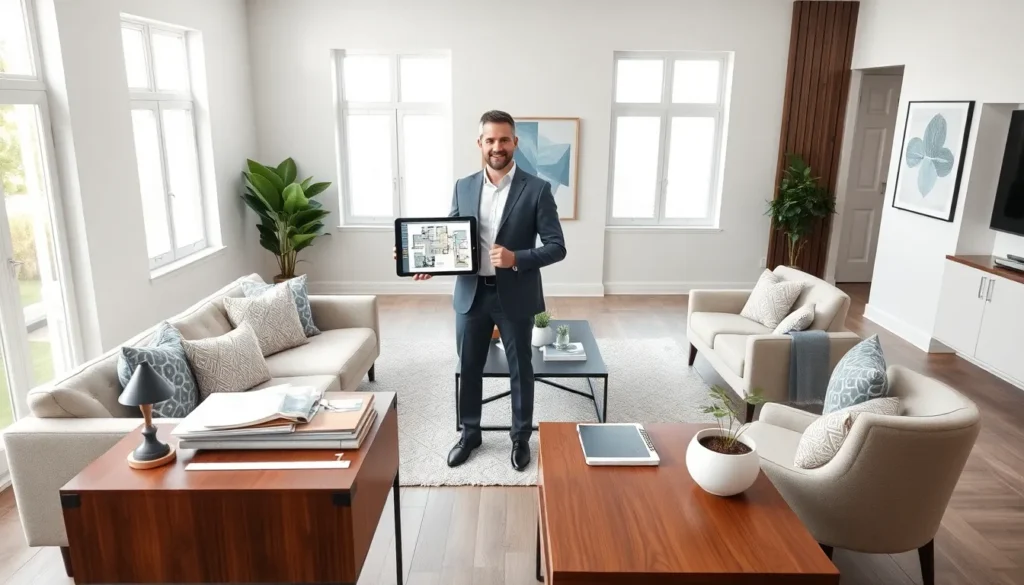

Interior design ideas shape how people live, work, and feel in their spaces. Whether someone wants to refresh a single room or overhaul an entire home, understanding what is interior design ideas provides the foundation for smart decisions. This guide covers popular styles, essential elements, and practical methods to generate fresh concepts. By the end, readers will have clear direction for transforming any space into something functional and visually appealing.
Table of Contents
ToggleKey Takeaways
- Interior design ideas combine aesthetics with functionality to transform any space into a purposeful, visually appealing environment.
- Popular styles like modern minimalist and traditional classic offer distinct directions for your interior design ideas based on personal taste.
- Key design elements—color, lighting, space, texture, and pattern—work together to create balanced and inviting rooms.
- Start your interior design process by defining the room’s function before gathering inspiration from magazines, Pinterest, or Instagram.
- Always test paint samples and measure furniture dimensions before committing to ensure your interior design ideas translate well from concept to reality.
- Mix high-end pieces with budget finds to create unique spaces that feel collected and personal.
Understanding Interior Design Ideas
Interior design ideas refer to the concepts, styles, and creative approaches used to plan and decorate indoor spaces. These ideas combine aesthetics with functionality. They guide decisions about furniture placement, color schemes, lighting, and decorative elements.
At its core, what is interior design ideas really about? It’s the process of turning an empty or outdated room into a purposeful environment. Good interior design ideas consider how people use a space. A family room needs different planning than a home office. A small apartment requires different solutions than a large suburban house.
Interior design ideas come from many sources. Magazines, social media platforms like Pinterest and Instagram, and home improvement shows all provide inspiration. Professional designers study trends, materials, and spatial relationships to develop their concepts. Homeowners can draw from personal taste, cultural influences, and lifestyle needs.
The best interior design ideas solve problems. They address storage challenges, improve traffic flow, and maximize natural light. They also reflect the personality and preferences of the people who live there. A successful interior design idea balances beauty with practicality.
Popular Interior Design Styles to Explore
Choosing a style gives interior design ideas a clear direction. Here are two popular approaches that continue to influence homes today.
Modern and Minimalist
Modern interior design ideas emphasize clean lines, open spaces, and a “less is more” philosophy. This style removes clutter and focuses on essential pieces. Furniture tends to have simple geometric shapes without ornate details.
Color palettes in modern design stick to neutrals, whites, grays, blacks, and beiges. Accent colors appear sparingly. Materials include glass, steel, and concrete alongside natural wood.
Minimalist interior design ideas take this further. Every item must serve a purpose or bring joy. Storage solutions hide belongings from view. Surfaces stay clear. The result feels calm and uncluttered.
This style works well in small spaces. It makes rooms appear larger and more open. But, it requires discipline to maintain.
Traditional and Classic
Traditional interior design ideas draw from European styles of the 18th and 19th centuries. This approach values symmetry, rich colors, and elegant details. Furniture features curved lines, carved wood, and upholstered fabrics like velvet or silk.
Classic interior design ideas include formal arrangements. Matching pairs of lamps, chairs, or artwork create balance. Crown molding, wainscoting, and decorative trim add architectural interest.
Color schemes often include deep reds, greens, blues, and golds. Patterns like florals, stripes, and damask appear on fabrics and wallpapers.
This style suits those who appreciate history and craftsmanship. It creates warm, inviting spaces with a sense of permanence. Traditional interior design ideas work especially well in older homes with existing architectural details.
Key Elements of Effective Interior Design
Strong interior design ideas incorporate several fundamental elements. Understanding these helps anyone create better spaces.
Color sets the mood of a room. Cool colors like blue and green create calm environments. Warm colors like red and orange add energy. Neutral colors provide flexibility and timelessness. Successful interior design ideas use color intentionally throughout a space.
Lighting affects both function and atmosphere. Natural light makes spaces feel healthy and vibrant. Artificial lighting serves different purposes, ambient light for general illumination, task light for specific activities, and accent light for highlighting features.
Space refers to how furniture and objects fill a room. Interior design ideas must balance filled areas with empty ones. Too much furniture makes rooms feel cramped. Too little makes them feel cold or incomplete.
Texture adds visual and tactile interest. Smooth surfaces reflect light. Rough surfaces absorb it. Mixing textures, a velvet sofa with a leather chair, a shag rug with hardwood floors, creates depth and richness.
Pattern brings energy and movement. Stripes can make ceilings appear higher. Large patterns suit big rooms while small patterns work in compact spaces. Interior design ideas often combine patterns carefully to avoid visual chaos.
Furniture and accessories complete the picture. These pieces must fit the scale of the room and serve the needs of occupants. Quality matters more than quantity in lasting interior design ideas.
How to Generate Interior Design Ideas for Your Home
Finding the right interior design ideas takes research and self-reflection. Here are practical steps to develop concepts for any space.
Start with function. Ask what activities happen in the room. A bedroom needs rest and storage. A kitchen needs cooking and often dining space. Interior design ideas should support these primary uses first.
Gather inspiration. Create a folder or board of images that appeal. Look for patterns in preferences. Maybe certain colors keep appearing. Perhaps a specific furniture style catches attention repeatedly. These patterns reveal personal taste.
Assess existing conditions. Consider the room’s size, shape, natural light, and architectural features. Work with these elements rather than against them. A room with large windows calls for different interior design ideas than a basement space.
Set a budget. Interior design ideas must fit financial reality. Prioritize spending on items used daily, a comfortable sofa, a quality mattress. Save on decorative pieces that can change over time.
Test before committing. Paint samples on walls before buying gallons. Measure furniture dimensions and tape them on floors before purchasing. Many interior design ideas look different in reality than in photos.
Mix sources. Combine high-end pieces with budget finds. Blend new items with vintage discoveries. This approach creates unique spaces that feel collected rather than catalog-ordered.