Viral culture trends 2026 are reshaping how people create, share, and consume content online. From AI-powered memes to the explosion of micro-fandoms, the internet’s cultural landscape looks different this year. Social media platforms continue to evolve, and users are driving new behaviors that brands and creators can’t ignore. This article breaks down the biggest viral culture trends 2026 has introduced so far, and explains why they matter for anyone trying to stay relevant online.
Table of Contents
ToggleKey Takeaways
- AI-generated content and memes are central to viral culture trends 2026, enabling anyone to create professional-quality content in minutes.
- Short-form video has evolved beyond TikTok and Reels, integrating into messaging apps and live shopping streams to blur entertainment and commerce.
- Nostalgia-driven content referencing the 1990s and early 2000s resonates strongly, offering emotional familiarity that unites different generations.
- Micro-fandoms and niche communities now drive viral culture trends 2026 more than mass audiences, rewarding authenticity over broad appeal.
- Brands must engage genuinely within communities rather than relying on traditional ads, as trust-building outweighs sponsored content.
- Smaller influencers often outperform celebrities in driving action because their audiences trust their recommendations more.
The Rise of AI-Generated Content and Memes
AI-generated content dominates conversations about viral culture trends 2026. Tools like image generators and text-based AI have become mainstream. Average users now create high-quality memes, videos, and digital art in minutes.
This shift changes who can participate in viral moments. A teenager with a smartphone and an AI app can produce content that rivals professional studios. The barrier to entry has dropped significantly.
AI memes, in particular, have taken on a life of their own. These aren’t just static images with funny captions anymore. They’re animated clips, voice-dubbed parodies, and deepfake-style remixes that spread across platforms within hours. Some AI-generated memes reference pop culture so accurately that viewers can’t tell if a human made them.
Brands have noticed. Marketing teams now use AI tools to jump on viral culture trends 2026 faster than ever before. A trending topic can inspire AI-generated brand content within the same news cycle. Speed matters, and AI delivers it.
But, this trend raises questions about authenticity. Users increasingly ask: Did a person make this, or did a machine? Some creators now label their work as “human-made” to differentiate themselves. Others embrace AI as a creative partner rather than a replacement.
The debate continues, but one thing is clear. AI-generated content isn’t going away. It’s a core part of how viral culture trends 2026 will be remembered.
Short-Form Video Evolution Beyond Traditional Platforms
Short-form video remains king among viral culture trends 2026, but the landscape has expanded. TikTok and Instagram Reels still command massive audiences. Yet newer platforms and unexpected apps are gaining ground.
Messaging apps now feature native short-form video feeds. Users scroll through clips without leaving their chat interfaces. This integration keeps people engaged longer and exposes them to viral content in new contexts.
Live shopping streams have merged with short-form content. Creators showcase products in 60-second clips that link directly to purchase pages. The line between entertainment and commerce continues to blur. Viewers watch, laugh, and buy, all within seconds.
Another shift involves “snackable” documentaries. Creators compress investigative stories, historical deep dives, and personal narratives into sub-three-minute videos. These mini-documentaries go viral because they deliver substance quickly. Audiences want information, but they want it fast.
Vertical video has also claimed new territory. Streaming services now offer vertical-first content designed for phone viewing. Some shows release “vertical cuts” alongside traditional formats. Viral culture trends 2026 reflect this mobile-first reality.
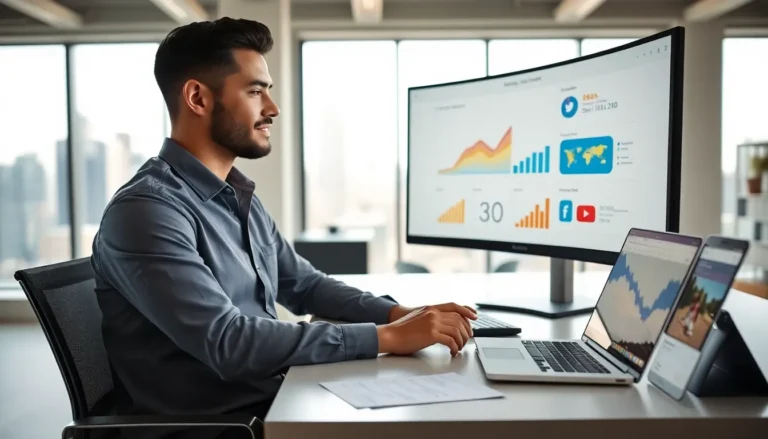
Algorithms play a bigger role than ever. Platforms prioritize content that keeps users watching. Creators optimize for watch time, completion rates, and shares. Understanding these metrics separates viral hits from forgotten uploads.
Short-form video isn’t just a format anymore. It’s the default language of internet culture.
Nostalgia Culture and the Revival of Retro Aesthetics
Nostalgia powers many viral culture trends 2026. Users gravitate toward content that reminds them of earlier decades. The 1990s and early 2000s inspire fashion, music, and visual styles across social media.
Retro filters and editing techniques have surged in popularity. Creators add VHS grain, dial-up sound effects, and pixel art to their videos. These choices trigger emotional responses and stand out in polished, high-definition feeds.
Old TV shows and movies fuel reaction content. Younger viewers discover classic media for the first time and share their genuine reactions. These videos perform well because they combine discovery with entertainment. Older audiences enjoy watching fresh perspectives on content they loved years ago.
Vintage gaming has also contributed to viral culture trends 2026. Speedruns of retro games, challenges involving outdated consoles, and “first time playing” videos attract millions of views. Gaming nostalgia crosses generational lines.
Fashion trends reflect this backward glance too. Low-rise jeans, chunky sneakers, and graphic tees from decades past appear in influencer content. Thrift hauls featuring vintage pieces consistently go viral. Sustainability messaging often accompanies these posts, adding another layer of appeal.
Why does nostalgia work so well? Psychologists suggest familiar content feels safe during uncertain times. It also creates shared reference points that unite different age groups. When a Gen Z creator references a millennial childhood memory, both generations engage.
Nostalgia culture shows no signs of slowing down. Expect more throwback content as viral culture trends 2026 continue to evolve.
Community-Driven Movements and Micro-Fandoms
Community-driven movements define many viral culture trends 2026. Large, broad audiences matter less than tight-knit groups with shared interests. Micro-fandoms, small but passionate communities, generate outsized influence.
These groups form around niche topics. A specific book series, an obscure hobby, or a lesser-known creator can spark dedicated followings. Members create content for each other rather than chasing mass appeal. This focus produces highly engaged audiences.
Platforms have adapted to serve these communities. Discord servers, private subreddits, and invite-only group chats host conversations that eventually spill into mainstream feeds. Trends often start in these closed spaces before going viral publicly.
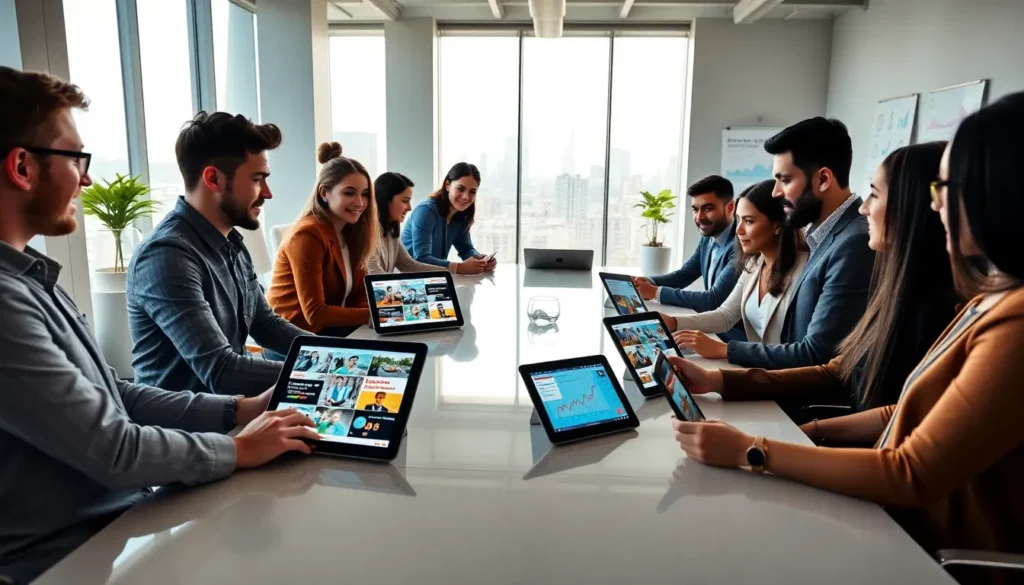
Collaborative content creation has accelerated. Fans remix, extend, and reinterpret original works together. A single video can inspire hundreds of response videos, each adding something new. This participatory culture rewards creativity and builds community bonds.
Social causes also unite micro-communities. Viral culture trends 2026 include movements around mental health awareness, climate action, and digital rights. These causes gain traction through coordinated posting, shared hashtags, and mutual support among members.
Brands struggle to penetrate these spaces authentically. Communities reject obvious marketing attempts. Successful brand engagement requires genuine participation over time, not just sponsored posts. Trust takes months to build but seconds to lose.
Influencers with smaller followings often outperform celebrities in micro-fandoms. Their audiences trust them more. A recommendation from a 50,000-follower creator can drive more action than one from a multi-million-follower account.
Micro-fandoms represent a fundamental shift in how viral content spreads. Mass virality still exists, but community-driven movements increasingly shape what breaks through.