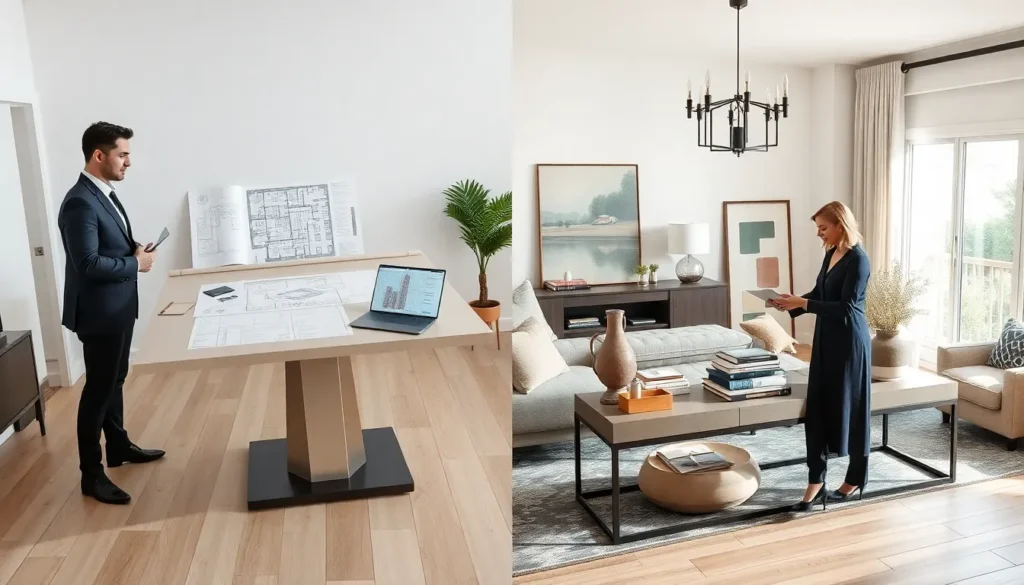

Interior design ideas vs interior decorating, these terms get tossed around like they mean the same thing. They don’t. One profession reshapes how a space functions. The other transforms how it looks and feels. Both matter, but they serve different purposes.
Homeowners often confuse designers and decorators when planning a renovation or refresh. This mix-up can lead to hiring the wrong professional, wasting money, or ending up with results that miss the mark. Understanding interior design ideas vs interior decorating helps people make smarter decisions about their spaces.
This article breaks down what each profession does, where they overlap, and when to call one over the other.
Table of Contents
ToggleKey Takeaways
- Interior design ideas focus on spatial function and structure, while interior decorating transforms the visual aesthetics of a space.
- Interior designers require formal degrees and often state licensing, whereas decorators can work with minimal credentials but develop expertise in color, style, and furnishings.
- Hire an interior designer for projects involving structural changes, building codes, or custom built-ins; choose a decorator when the space functions well but needs a style refresh.
- Design projects involving construction typically cost more and take longer than decorating refreshes, so set realistic budgets and timelines before hiring.
- Understanding interior design ideas vs interior decorating helps homeowners avoid hiring the wrong professional and wasting money on mismatched services.
- Always interview professionals, review portfolios, and clarify project scope before committing to ensure the best fit for your space.
What Is Interior Design?
Interior design focuses on the structure and function of indoor spaces. Designers create floor plans, select materials, and solve spatial problems. They consider how people move through rooms, where natural light falls, and how walls and fixtures shape daily life.
Most interior designers hold degrees in their field. Many states require licensing or certification before designers can practice professionally. This formal training covers building codes, safety regulations, and architectural principles.
Interior design ideas often involve structural changes. A designer might remove a wall to open up a kitchen, reconfigure a bathroom layout, or specify custom cabinetry. They work with architects, contractors, and engineers to bring these changes to life.
The scope of interior design includes:
- Space planning and floor layouts
- Material and finish selection
- Lighting design (both natural and artificial)
- Custom furniture and built-in solutions
- Accessibility and safety considerations
- Project management from concept to completion
Designers think about how a space works before they think about how it looks. Form follows function in this profession. A beautiful room that doesn’t serve its purpose fails the people who use it.
What Is Interior Decorating?
Interior decorating deals with the visual and aesthetic elements of a space. Decorators select furniture, choose color palettes, hang artwork, and arrange accessories. They work within existing structures without altering walls, plumbing, or electrical systems.
Decorators don’t need formal degrees or state licenses. Many learn through experience, mentorship, or certificate programs. Their expertise lies in color theory, pattern mixing, furniture styles, and creating cohesive looks.
A decorator might transform a living room by replacing dated furniture, adding layered lighting with lamps, and introducing textiles like rugs and curtains. They make spaces feel finished, comfortable, and personal.
Typical decorating services include:
- Furniture selection and arrangement
- Color scheme development
- Window treatment choices
- Art and accessory placement
- Fabric and textile coordination
- Shopping and sourcing items
Decorators excel at pulling together a room’s personality. They understand trends, know where to source pieces at various price points, and have an eye for proportion and balance. When the bones of a space work well but the style falls flat, decorators step in.
Core Differences Between Interior Design and Decorating
The interior design ideas vs interior decorating debate comes down to scope, training, and focus.
Education and Credentials
Interior designers typically complete bachelor’s degrees in design. They pass national exams like the NCIDQ (National Council for Interior Design Qualification). Many jurisdictions regulate the profession. Decorators can start working with minimal formal training, though many do pursue education to sharpen their skills.
Scope of Work
Designers can modify spatial layouts. They read blueprints, understand load-bearing walls, and coordinate with construction teams. Decorators work with what exists. They won’t knock down walls or move plumbing, but they’ll make every surface and corner look intentional.
Project Types
Large renovations, new construction, and commercial spaces often require interior designers. Office buildings, restaurants, and healthcare facilities need professionals who understand codes and accessibility requirements. Decorators thrive in residential settings where the structure stays intact but the style needs work.
Cost Structures
Designers often charge higher fees due to their training and project complexity. They may bill hourly, charge flat project fees, or take a percentage of construction costs. Decorators typically charge hourly rates or flat fees, sometimes with markups on purchased items.
Both professionals can improve a space dramatically. The right choice depends on what the space needs.
When to Hire a Designer vs a Decorator
Knowing when to hire each professional saves time, money, and frustration.
Hire an Interior Designer When:
- The project involves structural changes like removing walls or adding rooms
- Building codes, permits, or inspections apply
- The space needs a complete functional overhaul
- Custom built-ins, cabinetry, or millwork are part of the plan
- Coordination with architects and contractors is necessary
- Commercial or public spaces require accessibility compliance
A kitchen gut renovation, a basement conversion, or a new home build all call for design expertise. These projects need someone who understands how buildings work, not just how they look.
Hire an Interior Decorator When:
- The space functions well but lacks style or cohesion
- Furniture, colors, and accessories need updating
- A room feels empty, cluttered, or dated
- There’s no need for construction or permits
- The goal is a quick refresh rather than a long renovation
Moving into a new home with good bones? A decorator can furnish and style it in weeks. Tired of a living room that never came together? A decorator brings fresh eyes and pulls it into focus.
Some projects fall somewhere in between. A bathroom that needs new tile but no layout changes might benefit from a designer’s material expertise, or a decorator who works closely with a tile contractor. Communication about scope matters before signing any contract.
How to Choose the Right Approach for Your Space
Choosing between interior design ideas vs interior decorating starts with honest assessment.
Define the Problem
Does the space function poorly? Are traffic patterns awkward, storage inadequate, or rooms too dark? These issues point toward design solutions. Does the space work fine but look uninspired? That’s a decorating situation.
Set a Realistic Budget
Design projects involving construction cost more than decorating refreshes. A kitchen remodel might run $30,000 to $80,000 depending on scope. A living room decoration project could land between $5,000 and $20,000. Know what the project demands financially before choosing a professional.
Consider the Timeline
Construction takes time. Permits, inspections, contractor schedules, and material lead times stretch timelines. Decorating moves faster. Furniture orders and installation can wrap up in weeks rather than months.
Evaluate Existing Conditions
Some spaces have great layouts but terrible finishes. Others have beautiful materials but dysfunctional flow. Look at the bones honestly. If the structure serves daily life well, decoration might be all that’s needed.
Ask Questions Before Hiring
Interview professionals before committing. Ask about their training, past projects, and process. Request references and review portfolios. The right fit matters as much as the right credentials.
Many designers offer decorating services too. Some decorators partner with designers for bigger projects. The lines can blur, so clarity about project scope keeps everyone aligned.