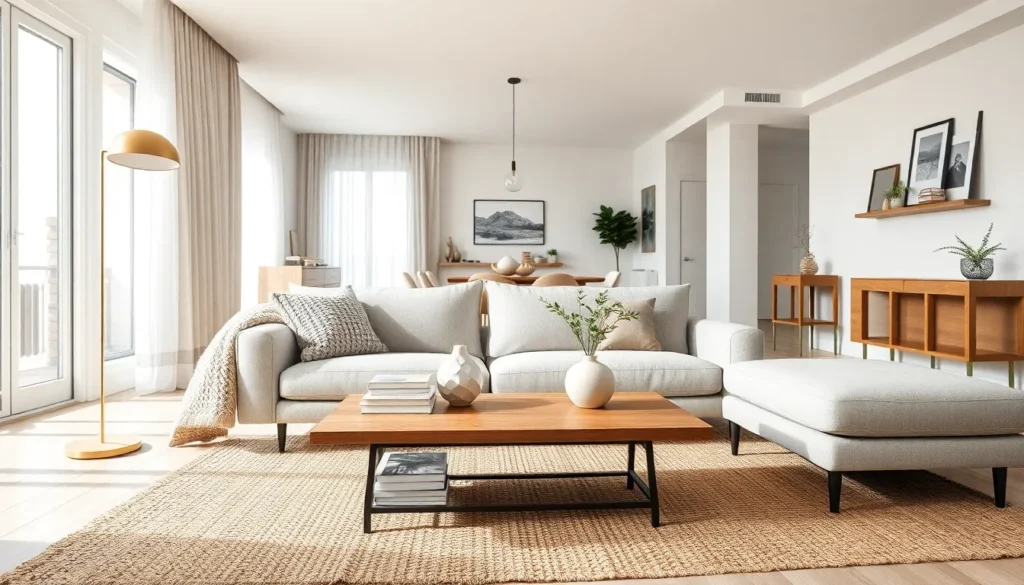

Great interior design ideas and tips can turn any room from forgettable to unforgettable. Whether someone is moving into a new home or refreshing a tired space, the right approach makes all the difference. Good design isn’t about spending a fortune or following every trend. It’s about making intentional choices that reflect personal style while creating a functional environment.
This guide covers practical interior design ideas and tips that anyone can apply. From establishing a clear vision to layering lighting and adding texture, these strategies help create spaces that look beautiful and work well for daily life.
Table of Contents
ToggleKey Takeaways
- Start every interior design project with a clear vision, mood board, and realistic budget to avoid mismatched results.
- Apply the 60-30-10 color rule to create a cohesive palette that balances dominant, secondary, and accent tones.
- Prioritize function alongside aesthetics by planning traffic flow, choosing appropriately scaled furniture, and selecting low-maintenance materials.
- Layer your lighting with ambient, task, and accent sources—and add dimmer switches for flexible ambiance.
- Use textures, plants, and meaningful accessories to add personality, but edit ruthlessly to avoid clutter.
- Test paint samples under different lighting conditions before committing to any color choice.
Start With a Clear Vision and Plan
Every successful interior design project begins with a plan. Jumping straight into paint colors or furniture shopping often leads to mismatched results and wasted money. Instead, take time to define what the space should accomplish.
Start by asking some basic questions. Who uses this room? What activities happen here? What feeling should the space evoke? A living room meant for hosting friends needs different interior design ideas than a quiet reading nook.
Create a mood board to gather inspiration. Pinterest boards, magazine clippings, or saved Instagram posts all work well. Look for patterns in these saved images. Maybe there’s a preference for warm wood tones, minimalist furniture, or bold patterns. These preferences become the foundation for design decisions.
Measure the space carefully. Know the dimensions of walls, windows, and doorways before shopping for furniture. A stunning sofa means nothing if it blocks the hallway or overwhelms a small room. Many designers recommend sketching a floor plan, even a rough one helps visualize furniture placement.
Set a realistic budget early. Interior design tips from professionals always emphasize this step. Allocate funds to different categories: furniture, paint, lighting, and accessories. Leave a buffer for unexpected finds or costs. This prevents overspending in one area while neglecting others.
Choose a Cohesive Color Palette
Color sets the mood for any room. The right palette creates harmony, while random color choices make a space feel chaotic. This is one of the most impactful interior design ideas anyone can apply.
Start with a base color. Neutrals like white, beige, gray, or soft taupe work well as foundations. They provide flexibility and won’t feel dated quickly. From there, add one or two accent colors that complement the base.
The 60-30-10 rule offers helpful guidance. Use the dominant color for 60% of the space (walls, large furniture). Apply the secondary color to 30% (curtains, rugs, accent chairs). Reserve the remaining 10% for bold accent pieces like throw pillows or artwork.
Consider the room’s natural light. North-facing rooms receive cooler light, so warm paint colors can balance that effect. South-facing spaces get abundant warm light, making them suitable for cooler tones.
Test paint samples before committing. Colors look different under various lighting conditions. Paint large swatches on the wall and observe them at different times of day. What looks perfect at noon might feel too dark by evening.
Don’t forget about undertones. A gray paint might lean blue, green, or purple. These subtle differences affect how colors interact with furniture and flooring. Interior design tips often emphasize testing samples against existing elements in the room.
Balance Function and Aesthetics
Beautiful rooms that don’t function well become frustrating to live in. The best interior design ideas marry form and purpose seamlessly.
Think about traffic flow first. People need clear pathways to move through a room without bumping into furniture. Allow at least 36 inches for main walkways and 18 inches between a coffee table and sofa.
Choose furniture that serves real needs. That gorgeous accent chair means little if no one ever sits in it. Before buying any piece, consider how often it will actually be used. Storage furniture, like ottomans with hidden compartments or beds with built-in drawers, earns bonus points for functionality.
Scale matters enormously. Oversized furniture crowds small rooms, while tiny pieces get lost in large spaces. Interior design tips suggest measuring twice and buying once. When in doubt, err toward pieces that feel slightly smaller rather than overwhelming.
Consider maintenance requirements. White upholstery looks stunning but demands constant cleaning in a home with kids or pets. Marble countertops photograph beautifully but stain easily. Choose materials that match actual lifestyle habits, not aspirational ones.
Create zones in open floor plans. Use rugs, furniture arrangement, or lighting to define different areas. A large rug under the dining table separates it visually from the living area, even without walls between them.
Layer Lighting for Ambiance and Utility
Lighting transforms spaces more dramatically than almost any other element. Good interior design ideas always include a thoughtful lighting plan with multiple layers.
Ambient lighting provides overall illumination. Ceiling fixtures, recessed lights, or chandeliers typically serve this purpose. They establish the base level of brightness for a room.
Task lighting focuses on specific activities. Desk lamps, under-cabinet kitchen lights, and reading lamps fall into this category. These fixtures prevent eye strain during detailed work.
Accent lighting adds drama and highlights design features. Picture lights, uplighting behind furniture, or track lighting directed at artwork create visual interest. This layer brings depth and dimension to any space.
Dimmer switches deserve a spot on every interior design tips list. They allow quick adjustments from bright morning light to soft evening ambiance. Installing dimmers costs little but adds significant flexibility.
Don’t ignore natural light. Window treatments should maximize daylight while providing privacy when needed. Sheer curtains diffuse harsh sunlight, while blackout options help bedrooms stay dark. Mirrors placed opposite windows bounce natural light deeper into rooms.
Bulb temperature affects mood dramatically. Warm bulbs (2700K-3000K) create cozy, relaxed atmospheres. Cooler bulbs (3500K-4100K) feel more energizing and work well in kitchens or offices.
Add Personality With Textures and Accessories
Textures and accessories give rooms their soul. Without them, even well-designed spaces feel sterile or incomplete. These finishing touches represent some of the most enjoyable interior design ideas to carry out.
Mix multiple textures within a single color scheme. A cream-colored room gains interest through linen curtains, a chunky knit throw, smooth ceramic vases, and a woven jute rug. The variety creates visual richness without adding competing colors.
Accessories tell stories about the people who live there. Travel souvenirs, family photos, collected objects, and inherited pieces add meaning that mass-produced decor cannot replicate. Display items that spark genuine joy or memory.
Plants bring life to any room. They add color, texture, and actual living energy. Low-maintenance options like pothos, snake plants, or ZZ plants work well for those without green thumbs. Even one healthy plant makes a noticeable difference.
Books make excellent accessories. Stack them on coffee tables, display them on shelves, or pile them beside a reading chair. They add color, indicate interests, and invite conversation.
Edit ruthlessly. Interior design tips often mention this critical step. Too many accessories create clutter rather than style. Group items in odd numbers, threes and fives look more natural than pairs. Leave some surfaces empty to let statement pieces breathe.
Rotate accessories seasonally. Swap heavy throws for lighter fabrics in summer. Change pillow covers to reflect different color moods. This approach keeps spaces feeling fresh without major investments.