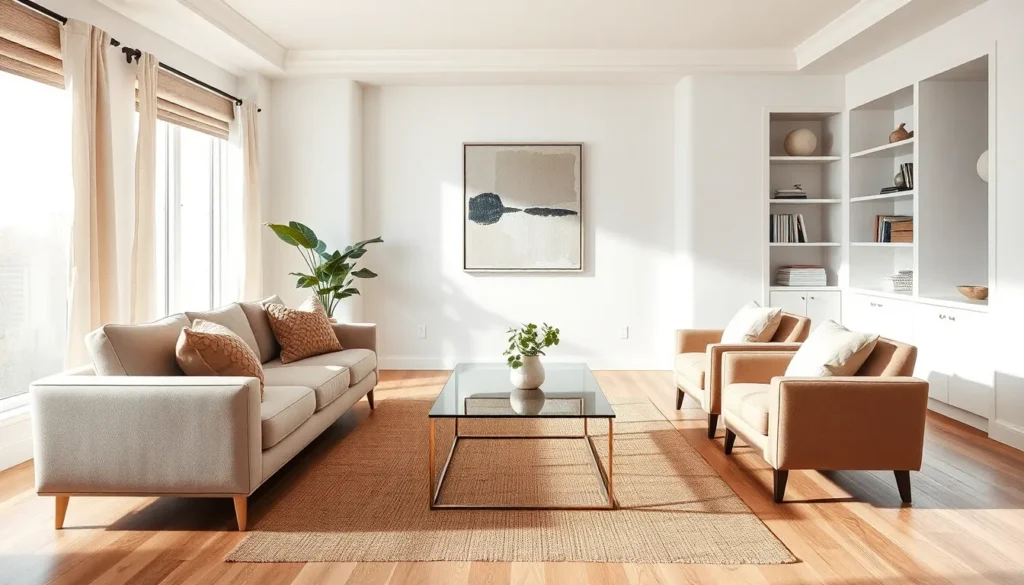

An interior design ideas guide can change how people experience their homes. Whether someone wants to refresh a single room or redesign an entire house, the right approach makes all the difference. Good design combines personal taste with proven principles that work in any space.
This guide covers everything from identifying a personal style to budget-friendly tips that deliver real results. Readers will find practical interior design ideas they can apply today, no professional degree required.
Table of Contents
ToggleKey Takeaways
- Start your interior design ideas guide journey by identifying your personal style through browsing magazines and visiting showrooms.
- Apply the 60-30-10 color rule (60% dominant, 30% secondary, 10% accent) to create balanced, visually appealing rooms.
- Layer three types of lighting—ambient, task, and accent—to add depth and flexibility to any space.
- Arrange living room furniture to encourage face-to-face conversation and establish a clear focal point like artwork or a fireplace.
- Stretch your decorating budget by prioritizing paint, shopping secondhand, and timing major purchases around seasonal sales.
Understanding Your Personal Design Style
Every successful interior design ideas guide starts with one question: What style feels right? Most people know what they like when they see it, but putting that into words takes some thought.
Here are the most popular design styles to consider:
- Modern: Clean lines, minimal clutter, and neutral colors define this look. Furniture tends to have simple shapes with metal or glass accents.
- Traditional: This style features rich colors, ornate details, and classic furniture pieces. Think wingback chairs and dark wood finishes.
- Bohemian: Eclectic and free-spirited, boho spaces mix patterns, textures, and colors from different cultures and eras.
- Scandinavian: Light colors, natural materials, and functional furniture create a calm, inviting atmosphere.
- Industrial: Exposed brick, metal fixtures, and raw wood give rooms an urban loft feel.
To find a personal style, people should browse design magazines and save images that catch their eye. After collecting 20-30 images, patterns emerge. Maybe they gravitate toward warm earth tones or prefer minimalist spaces. This self-discovery shapes every interior design decision that follows.
Style quizzes online can also help narrow things down. But nothing beats walking through furniture showrooms and noting which displays feel most comfortable.
Essential Design Principles for Every Room
Interior design ideas work best when they follow proven principles. These rules help create spaces that look intentional and feel balanced.
Balance and Symmetry
Balance keeps a room from feeling off. Symmetrical balance places matching items on either side of a central point, like two identical lamps flanking a sofa. Asymmetrical balance uses different objects of similar visual weight, which creates a more casual feel.
Scale and Proportion
Furniture should fit the room. A massive sectional overwhelms a small living room. A tiny coffee table looks lost in a large space. The rule of thirds helps here: divide any wall or surface into thirds and place key elements at those intersection points.
Color Theory Basics
Color sets the mood. Cool colors (blues, greens, purples) create calm. Warm colors (reds, oranges, yellows) add energy. The 60-30-10 rule provides a starting point: 60% dominant color, 30% secondary color, and 10% accent color.
Lighting Layers
Good lighting uses three types: ambient (overhead), task (reading lamps, under-cabinet lights), and accent (picture lights, candles). Layering these creates depth and flexibility. Dimmer switches add control over mood and function.
These interior design principles apply whether decorating a studio apartment or a five-bedroom house.
Living Room Design Ideas
The living room sets the tone for an entire home. It’s where people gather, relax, and entertain. Strong interior design ideas for this space focus on comfort and conversation.
Furniture Arrangement: Position seating to encourage face-to-face interaction. Sofas and chairs should face each other, not the TV. Leave 18 inches between the coffee table and seating for easy movement.
Focal Point Selection: Every living room needs one. A fireplace works naturally. No fireplace? Create focus with a large piece of art, a statement mirror, or a bold accent wall.
Texture Mixing: Combine different textures to add visual interest. Pair a leather sofa with velvet pillows. Place a jute rug under a sleek glass coffee table. These contrasts make rooms feel layered and intentional.
Storage Solutions: Clutter kills good design. Built-in shelving, media consoles with closed storage, and decorative baskets hide the mess while adding style.
Small living rooms benefit from mirrors (they reflect light and create the illusion of space) and furniture with exposed legs (which makes floors visible and rooms feel larger).
Bedroom and Bathroom Inspiration
Bedrooms and bathrooms serve specific functions, and interior design ideas for these spaces should support rest and routine.
Bedroom Design
The bed dominates any bedroom. It should face the door but not sit directly in line with it. Headboards add visual weight and anchor the space. Nightstands don’t need to match, asymmetry can look intentional and interesting.
Bedding matters more than people think. Quality sheets, a duvet with proper fill, and layered pillows transform the sleep experience. Neutral bedding allows for seasonal accent changes through throw blankets and decorative pillows.
Blackout curtains help with sleep quality. They also add softness to hard window edges.
Bathroom Updates
Bathrooms offer high-impact opportunities for change. New hardware (faucets, drawer pulls, towel bars) updates a space quickly. Matching metals create a polished look.
Floating vanities make small bathrooms feel larger. Open shelving displays folded towels and adds warmth. Plants that thrive in humidity, like pothos or ferns, bring life to these often sterile spaces.
Good bathroom lighting eliminates shadows on the face. Side-mounted sconces at eye level work better than overhead fixtures for grooming tasks.
Budget-Friendly Decorating Tips
Great interior design ideas don’t require a massive budget. Strategic spending and smart choices stretch every dollar.
Paint First: Nothing transforms a room faster or cheaper than paint. One gallon covers about 350 square feet and costs $30-50. An accent wall takes just a few hours and makes a dramatic statement.
Thrift and Vintage: Secondhand stores, estate sales, and online marketplaces offer quality furniture at fraction of retail prices. Solid wood pieces from decades past often outlast new particle board options.
DIY Where Possible: Reupholstering dining chairs, painting old furniture, or building simple shelving saves hundreds. YouTube tutorials make these projects accessible to beginners.
Prioritize Impact Pieces: Spend more on items seen and used daily. A quality sofa, a striking light fixture, or a statement rug deserves investment. Save on items hidden in closets or used rarely.
Shop Your Own Home: Rearranging existing furniture and decor costs nothing. Moving a lamp from the bedroom to the living room or swapping art between rooms creates a fresh feel instantly.
Seasonal Sales: Memorial Day, Labor Day, and Black Friday bring the biggest furniture discounts. Planning purchases around these dates saves 30-50% on major items.