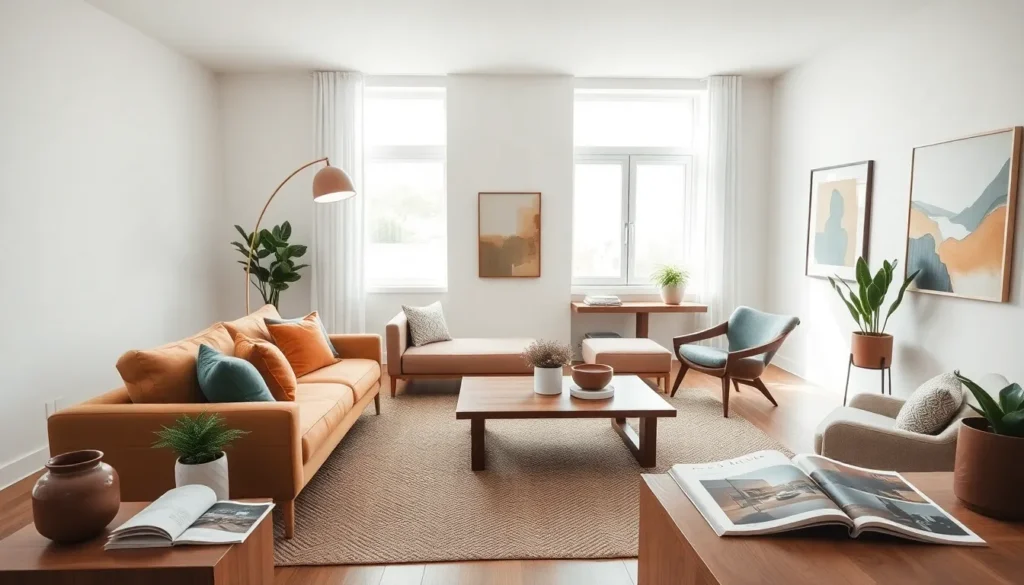

Finding interior design ideas that actually work for a home can feel overwhelming. Thousands of stunning photos flood social media feeds daily, yet translating those images into real rooms takes more than screenshot saves. The good news? Anyone can learn how to find interior design ideas that match their taste, budget, and lifestyle.
This guide breaks down the process into clear, actionable steps. From identifying personal style to executing plans room by room, readers will discover practical strategies for creating spaces they love. No design degree required, just a willingness to explore and experiment.
Table of Contents
ToggleKey Takeaways
- Start your interior design journey by identifying your daily habits and lifestyle needs before gathering inspiration.
- Pull 10 favorite images from various sources to discover patterns in your aesthetic preferences and personal style.
- Use the 60-30-10 color rule for balanced rooms: 60% dominant color, 30% secondary, and 10% accent.
- Gather interior design ideas from multiple sources—digital platforms, print magazines, showrooms, nature, and travel.
- Maximize your budget by prioritizing high-impact changes like paint, light fixtures, and hardware upgrades.
- Phase your design implementation over time to create more thoughtful, cohesive spaces without overspending.
Start With Your Personal Style And Lifestyle Needs
Before diving into Pinterest boards or furniture catalogs, smart decorators pause to assess what they actually need. Interior design ideas work best when they reflect how people live, not just how rooms photograph.
Identify Daily Habits
Consider how each room functions. Does the living room host weekly game nights? Does the home office double as a guest bedroom? These details shape furniture choices, layout decisions, and storage needs. A family with young children needs durable fabrics and rounded furniture corners. A couple who entertains frequently might prioritize open floor plans and extra seating.
Define Aesthetic Preferences
Some people gravitate toward minimalist spaces with clean lines and neutral palettes. Others love maximalist rooms filled with color, pattern, and collected treasures. Neither approach is wrong, but knowing which direction feels right prevents costly decorating mistakes.
Try this quick exercise: pull ten favorite images from any source. Look for patterns. Do the rooms share similar color schemes? Furniture styles? Textures? These common threads reveal personal taste more accurately than any style quiz.
Gather Inspiration From Multiple Sources
The best interior design ideas come from casting a wide net. Limiting inspiration to one platform or medium creates tunnel vision. Mixing sources produces richer, more original concepts.
Digital Platforms
Pinterest remains the go-to tool for visual inspiration. Users can create boards for specific rooms or color schemes. Instagram offers real-time glimpses into designer projects and emerging trends. Houzz provides photos sorted by style, room type, and even specific products.
Design blogs and online magazines publish in-depth articles with professional photography. These sources often explain the reasoning behind design choices, information that helps translate interior design ideas from image to reality.
Offline Sources
Print magazines still deliver curated, high-quality content. Architectural Digest, Elle Decor, and House Beautiful feature homes across various price points and aesthetics. Libraries often carry back issues for free browsing.
Showrooms, model homes, and furniture stores provide three-dimensional inspiration. Walking through physical spaces reveals how colors interact with natural light and how furniture scales within actual rooms. Hotels, restaurants, and retail stores also showcase professional design work worth studying.
Nature And Travel
Some of the most memorable interior design ideas draw from nature, ocean colors, desert textures, forest greens. Travel exposes people to different cultural approaches to home design. A Moroccan riad might inspire tile choices. A Scandinavian cabin could spark ideas for cozy minimalism.
Focus On Key Design Elements
Strong interior design ideas address several core elements. Understanding these fundamentals helps evaluate inspiration and make confident decisions.
Color
Color sets the mood for any space. Cool tones like blue and green create calm environments. Warm tones like red and orange energize rooms. Neutral bases allow flexibility for changing accent colors over time.
The 60-30-10 rule provides a reliable formula: 60% dominant color (walls, large furniture), 30% secondary color (curtains, rugs, accent chairs), and 10% accent color (pillows, artwork, decorative objects).
Texture And Pattern
Layering textures adds depth to rooms. Smooth leather against rough linen, glossy ceramics beside matte wood, these contrasts create visual interest. Patterns introduce personality. Stripes, florals, geometrics, and abstract prints each communicate different styles.
Lighting
Lighting transforms spaces dramatically. Natural light influences paint color choices and furniture placement. Artificial lighting divides into three categories: ambient (overall room illumination), task (focused light for specific activities), and accent (highlighting architectural features or artwork).
Scale And Proportion
Furniture should fit the room’s dimensions. Oversized pieces overwhelm small spaces. Undersized furniture makes large rooms feel empty. Mixing heights and shapes creates balance, a tall bookcase paired with a low coffee table, for example.
Room-By-Room Planning Tips
Different rooms present different challenges. Applying interior design ideas effectively means adapting general principles to specific functions.
Living Rooms
Start with seating arrangement. Create conversation zones where people can face each other comfortably. Anchor furniture groupings with area rugs. Leave clear pathways for traffic flow. Choose a focal point, a fireplace, large window, or statement art piece, and orient the room around it.
Bedrooms
Prioritize comfort and rest. Position beds to avoid direct sightlines from doorways when possible. Invest in quality bedding and window treatments that control light. Keep electronics minimal and create symmetry with matching nightstands and lamps.
Kitchens
Function drives kitchen design. The classic work triangle, sink, stove, refrigerator, should allow efficient movement. Storage determines organization possibilities. Even renters can update kitchens with new hardware, removable backsplash, and open shelving.
Bathrooms
Small bathrooms benefit from light colors and mirrors that expand visual space. Replace dated fixtures for instant updates. Coordinate towels, bath mats, and accessories in complementary colors. Add plants that thrive in humid conditions.
Budget-Friendly Ways To Bring Ideas To Life
Great interior design ideas don’t require unlimited funds. Strategic spending and creative solutions stretch any budget.
Prioritize High-Impact Changes
Paint delivers the biggest transformation per dollar spent. A fresh coat changes a room’s entire character. Updating light fixtures comes next, swap builder-grade pieces for statement pendants or modern sconces. Hardware upgrades on cabinets and doors cost little but add polish.
Shop Smart
Thrift stores, estate sales, and online marketplaces offer quality furniture at fraction of retail prices. Vintage pieces add character that mass-produced items lack. Mix high and low, splurge on one statement piece while saving on basics.
DIY Where Possible
Painting furniture, reupholstering chairs, and creating custom artwork save significant money. YouTube tutorials teach techniques for every skill level. Start with simple projects and build confidence over time.
Phase Implementation
Don’t rush to complete every room immediately. Live with spaces before making permanent changes. Buy quality pieces slowly rather than filling rooms with disposable furniture. This approach results in more thoughtful, cohesive design.