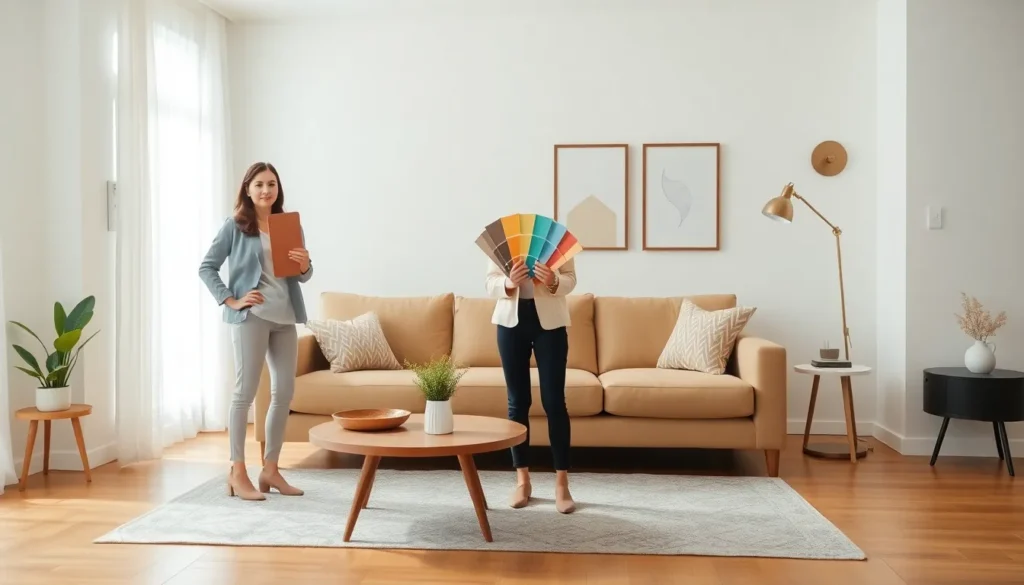

Interior design ideas for beginners don’t have to feel overwhelming. A well-designed room creates comfort, function, and personal style, all without needing a professional degree. Whether someone is moving into their first apartment or refreshing a tired living room, the fundamentals stay the same.
This guide breaks down the core principles that make spaces work. From picking colors to arranging furniture, beginners will find practical steps they can apply today. The goal? Create rooms that look intentional and feel like home.
Table of Contents
ToggleKey Takeaways
- Interior design ideas for beginners start with mastering five core principles: balance, proportion, rhythm, emphasis, and unity.
- Use the 60-30-10 color rule to create visual harmony—60% dominant color, 30% secondary, and 10% accent.
- Pull furniture away from walls and arrange seating within eight feet to encourage conversation and intimacy.
- Layer ambient, task, and accent lighting to control mood and avoid harsh, flat illumination.
- Avoid common beginner mistakes like hanging art too high, skipping measurements, or buying everything at once.
- Add personality with plants, books, and grouped accessories, but edit ruthlessly to prevent clutter.
Understanding the Basic Principles of Interior Design
Every great room starts with a few key principles. These interior design ideas for beginners serve as the foundation for making smart decisions.
Balance keeps a room from feeling lopsided. Symmetrical balance places matching items on either side of a center point, think two nightstands flanking a bed. Asymmetrical balance uses different objects of similar visual weight, which feels more casual and dynamic.
Proportion and scale matter more than most people realize. A massive sectional in a tiny living room overwhelms the space. A small coffee table next to an oversized sofa looks awkward. Furniture should fit the room’s dimensions.
Rhythm creates visual flow. Repeating colors, patterns, or textures throughout a room ties everything together. A throw pillow color that echoes in the artwork, for example, makes the space feel cohesive.
Emphasis gives each room a focal point. This could be a fireplace, a bold piece of art, or an accent wall. Without a focal point, the eye wanders aimlessly.
Unity brings all the elements together. The room should feel complete, not like a random collection of furniture and decor. Sticking to a consistent style, whether modern, traditional, or eclectic, helps achieve this.
Choosing a Color Palette That Works
Color sets the mood of any space. Beginners often struggle here, but a few guidelines make the process easier.
Start with the 60-30-10 rule. About 60% of the room uses a dominant color (usually walls and large furniture). Another 30% features a secondary color (upholstery, curtains, rugs). The final 10% goes to an accent color (throw pillows, art, decorative objects). This ratio creates visual harmony without feeling flat.
Neutral bases work well for interior design ideas for beginners. Whites, grays, beiges, and soft tans provide flexibility. They allow bolder accent colors to pop and make future updates simple. Swapping out pillows or artwork costs far less than repainting walls.
Consider the room’s purpose when selecting colors. Bedrooms benefit from calming tones like soft blues or greens. Living rooms can handle warmer, more energetic hues. Kitchens often shine with clean whites or cheerful yellows.
Test colors before committing. Paint samples look different under various lighting conditions. A shade that appears perfect in the store might read completely different at home. Apply samples to the wall and observe them at different times of day.
Furniture Arrangement and Layout Tips
Good furniture placement makes rooms functional and inviting. Poor arrangement creates awkward traffic patterns and wasted space.
Create conversation areas. In living rooms, position seating so people can talk comfortably. Sofas and chairs should face each other, ideally no more than eight feet apart. This encourages interaction.
Leave clear pathways. Traffic should flow easily through the room. Major walkways need at least 36 inches of clearance. Smaller paths between furniture can work with 18 to 24 inches.
Pull furniture away from walls. This tip surprises many beginners exploring interior design ideas for beginners. Floating furniture creates intimacy and can actually make rooms feel larger. Even a few inches off the wall helps.
Anchor with rugs. Area rugs define spaces within larger rooms. In a living room, the front legs of sofas and chairs should sit on the rug. This grounds the seating area visually.
Consider the room’s function first. A home office needs desk space and good lighting near a power outlet. A dining room requires enough clearance for chairs to pull out. Function should always guide layout decisions.
Incorporating Lighting and Accessories
Lighting transforms a room’s entire atmosphere. Accessories add personality. Together, they complete any design.
Layer lighting sources. Relying solely on overhead fixtures creates harsh shadows and flat lighting. Combine ambient lighting (ceiling fixtures), task lighting (desk lamps, reading lights), and accent lighting (wall sconces, candles). Three layers give control over mood and function.
Natural light deserves attention too. Light curtains let sunshine in during the day. Mirrors placed opposite windows bounce light deeper into the space. These interior design ideas for beginners cost little but make significant impact.
Accessories tell the story. Books, plants, artwork, and collected objects reveal personality. But restraint matters, too many accessories create clutter, not character. Group items in odd numbers (threes and fives work well) for visual appeal.
Scale accessories appropriately. A tiny vase on a large mantel looks lost. Grouping smaller items together creates visual mass that holds its own.
Plants bring life to any room. Even beginners with questionable plant-care skills can find low-maintenance options like pothos, snake plants, or succulents. Greenery adds color, texture, and freshness.
Common Mistakes to Avoid as a Beginner
Learning interior design ideas for beginners means knowing what not to do. These common errors derail otherwise promising rooms.
Buying everything at once. Good design takes time. Purchasing all furniture and decor in a single shopping trip often results in mismatched pieces and buyer’s remorse. Building a room gradually allows for more thoughtful choices.
Ignoring measurements. That stunning sofa might not fit through the doorway, or in the living room. Always measure spaces and furniture before purchasing. Write down dimensions and bring a tape measure when shopping.
Hanging art too high. Center artwork at eye level, roughly 57 to 60 inches from the floor. Most beginners hang pieces far too high, which disconnects them from the furniture below.
Matching everything too perfectly. Rooms that look like catalog showrooms feel sterile. Mixing styles, finishes, and eras adds character and depth. A vintage find next to a modern piece creates interest.
Skipping the editing phase. Less often means more in interior design. Step back and remove anything that doesn’t serve a purpose or bring joy. Empty space gives the eye rest and makes intentional choices stand out.