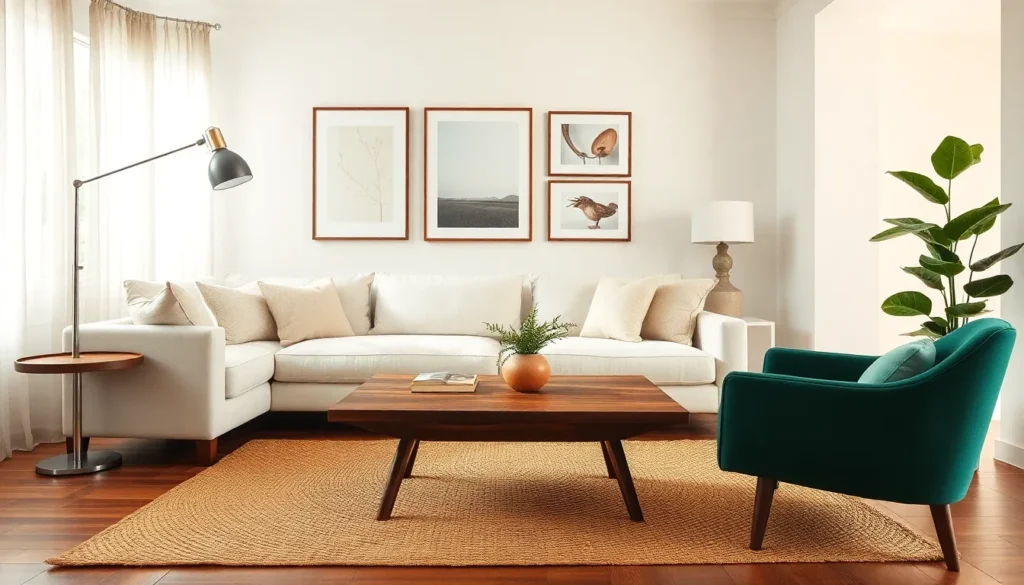

The best interior design ideas can turn any space into a place you actually want to spend time in. A well-designed home doesn’t require a massive budget or a professional decorator. It requires intention, a clear vision, and a few smart choices that reflect your lifestyle.
Whether you’re starting from scratch or refreshing a tired room, the right design elements make all the difference. This guide covers practical interior design ideas that work in real homes, not just magazine spreads. From incorporating natural materials to layering light sources, these strategies help create spaces that feel both stylish and livable.
Table of Contents
ToggleKey Takeaways
- The best interior design ideas combine natural elements like wood, stone, and linen to create warm, grounded spaces that feel both stylish and livable.
- Use the 60-30-10 color rule to balance dominant, secondary, and accent colors for a cohesive yet visually interesting room.
- Choose multi-functional and appropriately scaled furniture to maximize space and improve flow in any room size.
- Layer three types of lighting—ambient, task, and accent—to add dimension and adapt your space for different activities.
- Personalize your home with meaningful art and accessories, editing carefully to avoid clutter while showcasing your unique style.
- Paint is the most affordable way to experiment with interior design ideas and can completely transform a room’s character.
Embrace Natural Elements and Textures
Natural elements bring warmth and visual interest to any room. Wood, stone, rattan, and linen create a grounded feel that synthetic materials can’t replicate.
Start with wood. A solid wood dining table, floating shelves, or hardwood floors anchor a space. The grain patterns add character without overwhelming the room. Mix wood tones, a walnut coffee table paired with oak flooring creates depth rather than monotony.
Stone accents work particularly well in kitchens and bathrooms. A marble backsplash or travertine tile floor adds texture and sophistication. These materials age gracefully and often look better with time.
Textiles offer another layer. Linen curtains filter light beautifully. A jute rug defines a seating area while adding organic texture underfoot. Wool throws and cotton pillows soften hard surfaces and invite people to sit down and stay awhile.
Plants deserve mention here too. They’re living design elements that purify air and add life to corners that might otherwise feel flat. A fiddle leaf fig in a ceramic pot or trailing pothos on a bookshelf brings nature indoors without requiring a green thumb.
The key is balance. Too many natural textures can feel cluttered. Choose two or three materials and repeat them throughout the room for cohesion.
Play With Color and Contrast
Color shapes how a room feels. It influences mood, perceived size, and overall energy. The best interior design ideas use color with purpose.
Start with a neutral base. White, cream, gray, or beige walls provide flexibility. They let furniture and accessories take center stage and make future updates easier.
Then add contrast. A deep navy accent wall behind a bed creates drama. Emerald green velvet chairs pop against a light background. Black hardware on white cabinets draws the eye and adds definition.
Don’t fear bold choices. A bright yellow door, coral throw pillows, or a teal sofa can transform a neutral room into something memorable. The trick is limiting bold colors to specific elements rather than spreading them everywhere.
Consider the 60-30-10 rule. Sixty percent of the room features a dominant color (usually walls and large furniture). Thirty percent goes to a secondary color (curtains, rugs, accent chairs). Ten percent comes from accent pieces (pillows, artwork, decorative objects).
Paint is the most affordable way to experiment with interior design ideas. A gallon of paint costs under fifty dollars and completely changes a room’s character. Test colors on the wall before committing, lighting affects how colors appear throughout the day.
Maximize Space With Smart Furniture Choices
Furniture selection directly impacts how spacious a room feels. Smart choices make small rooms feel bigger and large rooms feel intentional.
Scale matters first. Oversized sectionals swallow small living rooms. Tiny side tables disappear in spacious areas. Measure your room and measure your furniture before buying anything.
Multi-functional pieces earn their keep. A storage ottoman holds blankets while serving as extra seating. A murphy bed folds away to create home office space. Nesting tables expand for entertaining and tuck away for daily life.
Legs make a difference. Furniture raised on legs allows sight lines to continue beneath, making rooms appear larger. A sofa with exposed legs feels lighter than one with a skirt that reaches the floor.
Floating furniture away from walls creates better flow than pushing everything against the perimeter. A sofa centered in a room with a console table behind it feels more intentional than the same sofa shoved against a wall.
Vertical space often goes unused. Tall bookcases draw the eye upward and provide storage without eating floor space. Wall-mounted shelves hold items that would otherwise clutter surfaces.
These interior design ideas apply regardless of room size. Even large spaces benefit from thoughtful furniture placement and pieces that serve multiple purposes.
Layer Lighting for Ambiance and Function
Lighting transforms interiors more than most people realize. A single overhead fixture flattens a room and creates harsh shadows. Layered lighting adds dimension and serves different needs throughout the day.
Three types of lighting work together: ambient, task, and accent.
Ambient lighting provides general illumination. Ceiling fixtures, recessed lights, and chandeliers fall into this category. Dimmer switches add flexibility, bright for cleaning, soft for evening relaxation.
Task lighting serves specific activities. A desk lamp illuminates work surfaces. Under-cabinet lights brighten kitchen counters for food prep. Reading lamps beside chairs prevent eye strain.
Accent lighting highlights features and creates mood. Picture lights showcase artwork. LED strips beneath cabinets add glow. Candles and string lights provide warmth that overhead fixtures can’t match.
The best interior design ideas combine all three layers. A living room might include a ceiling fixture for ambient light, table lamps flanking a sofa for reading, and uplights behind plants for accent glow.
Bulb temperature affects atmosphere too. Warm bulbs (2700K-3000K) create cozy environments suited for living spaces and bedrooms. Cool bulbs (4000K-5000K) work better in bathrooms, kitchens, and home offices where bright, clear light aids function.
Add Personality Through Art and Accessories
Art and accessories separate generic rooms from spaces with soul. These elements tell stories and reflect the people who live there.
Art doesn’t require gallery prices. Framed vintage posters, photography prints, or even children’s artwork add visual interest. A large statement piece above a sofa anchors the wall. A gallery wall of smaller pieces creates an eclectic feel.
Hang art at eye level, roughly 57 inches from floor to center. Position pieces so they relate to furniture below rather than floating in isolation.
Accessories include everything from books to ceramics to collected objects. The items on shelves and surfaces reveal personality. Travel souvenirs, inherited pieces, and handmade objects carry meaning that mass-produced decor lacks.
Editing matters as much as collecting. Cluttered surfaces overwhelm. Group objects in odd numbers, three vases, five books, a single sculptural piece. Leave breathing room between groupings.
Mirrors function as both art and functional accessories. They reflect light, make spaces appear larger, and add architectural interest. A round mirror in an entryway or a floor-length mirror in a bedroom serves practical purposes while enhancing interior design.
These finishing touches bring interior design ideas together. They’re also the easiest elements to change as tastes evolve.