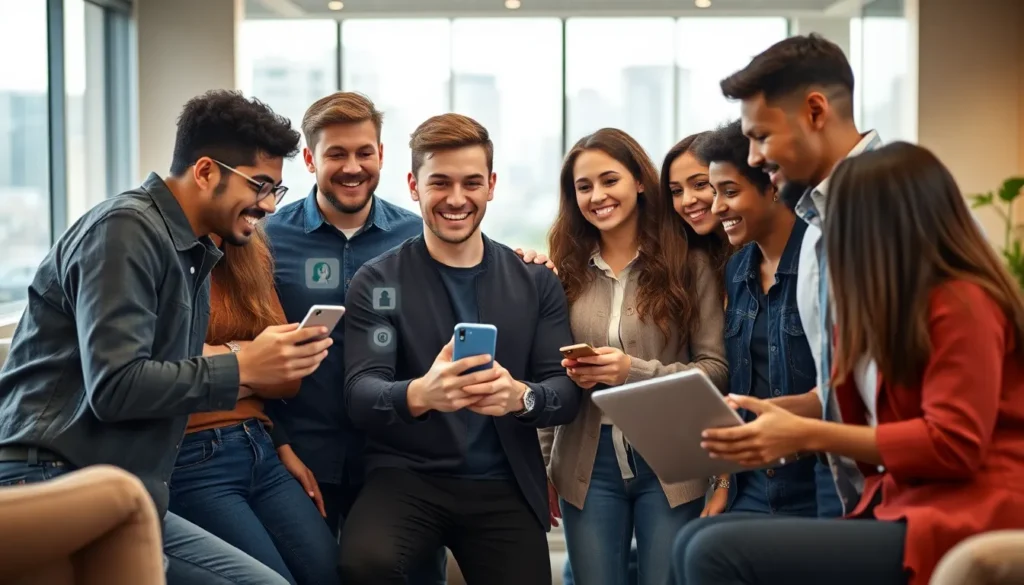

Top viral culture defines how millions of people share, react, and bond over content every single day. A dance challenge spreads across TikTok in hours. A meme captures a shared frustration and gets reposted thousands of times. A phrase from a podcast becomes everyday slang within weeks. This is the speed of connection in 2025.
Viral culture isn’t random. It follows patterns, responds to emotions, and reflects what society cares about at any given moment. Understanding these patterns helps creators, marketers, and everyday users make sense of the content flood. This article breaks down what makes content go viral today, the biggest trends shaping top viral culture in 2025, and how this constant sharing affects the way people think and interact.
Table of Contents
ToggleKey Takeaways
- Top viral culture in 2025 thrives on authenticity, speed, and emotional connection rather than polished production.
- Content that invites participation—like challenges, duets, and remixes—spreads faster by turning viewers into active contributors.
- Major trends shaping viral culture include short-form documentaries, AI-generated parodies, nostalgia remixes, and serialized ‘lore’ content.
- People share viral content for social currency, using it to appear informed, funny, or culturally aware.
- Viral culture accelerates language evolution, shifts attention spans, and creates both opportunities for small creators and challenges with misinformation.
- Businesses now monitor top viral culture as critical market signals, since trending products can sell out within hours.
What Defines Viral Culture Today
Viral culture refers to content that spreads rapidly across social platforms through shares, comments, and imitation. A piece of content becomes “viral” when its reach grows exponentially, far beyond the creator’s original audience.
Several core features define top viral culture in 2025:
Speed matters more than polish. Content doesn’t need high production value to spread. Raw, authentic clips often outperform studio-quality videos. People respond to realness.
Participation drives reach. The most viral content invites people to join in. Challenges, duets, reaction videos, and remixes turn passive viewers into active participants. This participation creates a snowball effect.
Platforms shape the format. TikTok favors short-form vertical video. X (formerly Twitter) rewards punchy text and hot takes. Instagram prioritizes visual aesthetics. Each platform’s algorithm and user behavior influence what goes viral there.
Emotion is the engine. Content that triggers strong feelings, laughter, outrage, nostalgia, surprise, gets shared. Neutral content rarely spreads.
Top viral culture also relies on timing. Content that connects with a current event, cultural moment, or collective mood has a much higher chance of spreading. The best viral creators understand this and post when the moment is right.
The Most Influential Viral Trends Of 2025
Several trends have shaped top viral culture throughout 2025. These patterns reveal what audiences want right now.
Short-Form Documentary Content
Creators are condensing investigative journalism and storytelling into 60-second clips. These “micro-docs” cover true crime, history deep dives, and cultural explainers. They hook viewers fast and often spark longer discussions in the comments.
AI-Generated Parodies
Artificial intelligence tools have made it easy to create parody content. Users generate fake movie trailers, celebrity impressions, and absurd scenarios using AI voice and video tools. Some of this content raises ethical questions, but it dominates feeds.
Nostalgia Remixes
Content that references the 2000s and early 2010s performs extremely well. Millennials and older Gen Z users engage heavily with throwback music, fashion revivals, and “remember when” posts. Nostalgia creates instant emotional connection.
Niche Community Crossovers
Small online communities, from book lovers to fitness enthusiasts to hobbyist collectors, are crossing into mainstream viral culture. A trend starts in a specific community and then jumps to broader audiences. Top viral culture in 2025 is less about one massive mainstream and more about connected micro-communities.
“Lore” Content
Creators build ongoing storylines or fictional universes across multiple posts. Audiences follow along like a TV series. This format keeps people coming back and generates sustained engagement rather than one-time views.
Why Content Goes Viral In The Modern Era
Understanding why content spreads helps explain top viral culture. Several factors consistently drive virality.
Relatability wins. Content that makes people think “that’s so me” gets shared. People use viral content to express their own identity and experiences. A meme about work stress or a video about awkward social situations resonates because viewers see themselves in it.
Social currency plays a role. People share content that makes them look informed, funny, or in-the-know. Sharing a trending meme early signals cultural awareness. Posting a useful tip positions someone as helpful. Viral content often functions as a way to build social status.
Algorithms reward engagement. Platforms prioritize content that keeps users on the app. Videos with high watch-through rates, posts with lots of comments, and content that generates saves all get pushed to more feeds. Creators who understand these signals can optimize for virality.
Controversy spreads fast. Polarizing content, whether intentionally provocative or accidentally divisive, generates strong reactions. Outrage and disagreement drive comments, which signals to algorithms that the content is engaging. This is why top viral culture often includes heated debates.
Timing and luck matter. Even great content can fail if posted at the wrong time. And sometimes mediocre content catches fire for reasons no one fully understands. Virality has a random element that no strategy can fully control.
The Impact Of Viral Culture On Society
Top viral culture shapes more than entertainment. It influences language, behavior, politics, and business.
Language evolves faster. Slang terms and phrases spread through viral content and enter everyday speech within weeks. Words like “delulu,” “rizz,” and “slay” moved from niche internet use to mainstream conversation through viral adoption.
Attention spans are shifting. The constant stream of short, punchy content trains audiences to expect quick payoffs. Longer content now needs to work harder to hold attention. This affects everything from marketing to education.
Misinformation spreads easily. The same mechanics that make helpful content go viral also spread false information. Emotionally charged misinformation often outperforms dry corrections. This creates real challenges for public health, politics, and social trust.
Small creators can build careers. Viral culture has lowered barriers to fame and influence. A single viral post can launch a career, attract brand deals, or build a loyal audience. This democratization creates opportunities that didn’t exist a decade ago.
Collective experiences still happen. Even though fragmented media, viral moments create shared cultural touchstones. When a song, meme, or video goes truly viral, millions of people experience it together. Top viral culture provides common ground in an otherwise fragmented media landscape.
Businesses now treat viral trends as serious market signals. A product that trends on TikTok can sell out within hours. Brands monitor viral culture constantly to stay relevant and responsive.