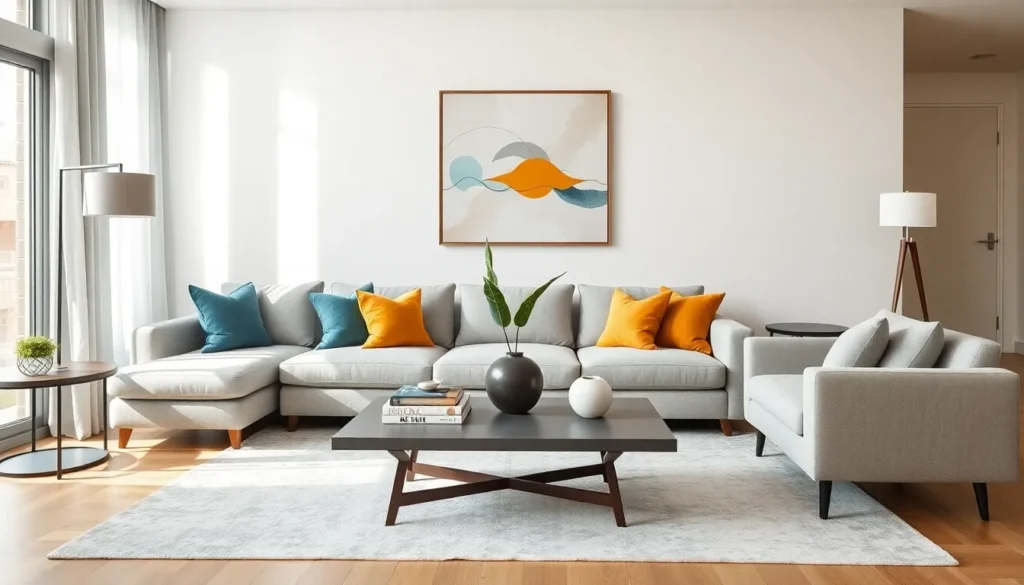

Interior design ideas and techniques can turn any room into a functional, beautiful space. Whether someone is redecorating a single room or redesigning an entire home, the right approach makes all the difference. Good interior design blends aesthetics with practicality. It considers how people move through spaces, what colors affect mood, and how lighting changes perception. This guide covers fundamental principles, popular styles, and actionable techniques that anyone can apply. From budget-friendly updates to professional-level strategies, these interior design ideas will help transform ordinary rooms into spaces that feel intentional and inviting.
Table of Contents
ToggleKey Takeaways
- Successful interior design ideas blend aesthetics with practicality by mastering core principles like balance, proportion, rhythm, and emphasis.
- Apply the 60-30-10 color rule to create harmonious rooms—60% dominant color, 30% secondary, and 10% accent.
- Layer lighting at multiple heights using overhead fixtures, table lamps, and floor lamps to add depth and flexibility to any space.
- Ground furniture arrangements with properly sized rugs and create visual triangles when styling decor for a polished look.
- Budget-friendly interior design techniques like paint, rearranging furniture, and updating hardware can transform rooms without major expense.
- Choose a design style—whether minimalist, Scandinavian, or bohemian—to provide clear direction for all your decorating decisions.
Understanding the Fundamentals of Interior Design
Every successful interior design project starts with core principles. These fundamentals guide decisions about furniture placement, color selection, and decorative elements.
Balance creates visual stability in a room. Symmetrical balance places identical items on either side of a central point, think matching nightstands flanking a bed. Asymmetrical balance uses different objects with similar visual weight. A large sofa might balance with two smaller chairs across the room.
Proportion and scale determine how items relate to each other and the space. A massive sectional overwhelms a small living room. A tiny coffee table disappears in a large space. Interior design ideas work best when furniture fits the room’s dimensions.
Rhythm moves the eye through a space. Repeating colors, patterns, or shapes creates visual flow. A blue throw pillow on the sofa, blue artwork on the wall, and blue vases on the shelf connect different areas.
Emphasis establishes a focal point. Every room benefits from one dominant feature, a fireplace, statement wall, or striking piece of furniture. This anchor gives the eye a place to rest and organizes the surrounding elements.
Harmony and unity tie everything together. All elements should feel connected, even if they’re not identical. A consistent color palette or design style creates cohesion throughout a home.
Popular Design Styles to Consider
Choosing a design style provides direction for all interior design decisions. Here are styles that continue to resonate with homeowners.
Modern Minimalism
Clean lines, neutral colors, and uncluttered spaces define this approach. Furniture features simple shapes without ornate details. Every item serves a purpose. White, gray, and black dominate, with occasional pops of color.
Mid-Century Modern
This style draws from 1950s and 1960s aesthetics. Organic curves, wooden legs, and bold geometric patterns characterize the look. Teak and walnut furniture pairs with vibrant accent colors like mustard yellow and teal.
Scandinavian
Functionality meets warmth in Scandinavian design. Light wood tones, white walls, and cozy textiles create inviting spaces. The style prioritizes natural light and incorporates plants as living decor.
Industrial
Exposed brick, metal fixtures, and raw materials give industrial spaces their edge. This interior design style works well in lofts and open floor plans. Neutral tones with black iron accents create an urban feel.
Traditional
Classic furniture silhouettes, rich wood tones, and elegant fabrics define traditional interiors. Symmetry plays a major role. Crown molding, wainscoting, and detailed millwork add architectural interest.
Bohemian
Eclectic and personal, bohemian interiors layer patterns, textures, and global influences. Collected items tell stories. Rules matter less than personality in this free-spirited approach to interior design ideas.
Essential Techniques for Creating Visual Balance
Visual balance makes rooms feel comfortable and intentional. These interior design techniques help achieve that equilibrium.
The rule of thirds applies beyond photography. Divide a wall or surface into thirds and place focal points at intersection points. Hanging artwork at these positions creates more dynamic compositions than centering everything.
Vary heights across surfaces and throughout rooms. A coffee table might display a tall plant, medium-height books, and a low decorative bowl. This variation prevents flat, boring arrangements.
Create visual triangles when arranging decor. Place three related items in a triangular formation to draw the eye around the space. Three different-sized candleholders on a mantel demonstrate this technique.
Ground furniture with rugs to anchor seating arrangements. Rugs should extend under the front legs of sofas and chairs, at minimum. This technique defines conversation areas and adds warmth.
Layer lighting at multiple heights. Overhead fixtures provide ambient light. Table lamps offer task lighting. Floor lamps and sconces fill gaps. Interior design ideas that incorporate layered lighting create depth and flexibility.
Edit ruthlessly. Too many accessories compete for attention. Step back and remove items until the remaining pieces can breathe. Negative space gives the eye rest.
Practical Tips for Color and Lighting
Color and lighting transform spaces more dramatically than any other elements. These interior design techniques maximize their impact.
Working with Color
Start with a 60-30-10 rule. The dominant color covers 60% of the room, walls and large furniture. A secondary color takes 30%, curtains, rugs, and accent chairs. An accent color provides the final 10% through accessories and artwork.
Cool colors like blue and green recede, making rooms feel larger. Warm colors like red and orange advance, creating intimacy. Neutrals provide flexibility and longevity.
Test paint samples on actual walls. Colors look different under various lighting conditions. View samples at different times of day before committing. A swatch that looks perfect at noon might appear completely different at sunset.
Maximizing Light
Natural light enhances any interior design. Keep window treatments simple to maximize daylight. Sheer curtains filter harsh sun without blocking illumination.
Mirrors amplify light by reflecting it throughout a room. Place mirrors opposite windows for maximum effect. Mirrored furniture and metallic accents serve similar purposes on a smaller scale.
Bulb temperature affects mood. Warm white (2700K-3000K) creates cozy atmospheres in living spaces and bedrooms. Cool white (3500K-4100K) suits kitchens and bathrooms where clarity matters.
Dimmer switches offer control. The same room can shift from bright and productive to soft and relaxing with a simple adjustment.
Budget-Friendly Design Ideas for Any Room
Great interior design doesn’t require unlimited funds. These affordable interior design ideas deliver significant impact.
Paint is the cheapest transformation. A single accent wall changes a room’s entire character. Painting outdated furniture gives it new life. Even painting interior doors a bold color adds unexpected interest.
Rearrange existing furniture before buying new pieces. Most rooms have only one obvious layout, but alternatives often work better. Moving a sofa away from the wall can create a cozier conversation area.
Update hardware and fixtures. New cabinet pulls, light switch plates, and curtain rods modernize spaces quickly. These small changes add up to a fresh overall impression.
Shop secondhand strategically. Quality vintage furniture often costs less than new mass-market pieces. Thrift stores, estate sales, and online marketplaces offer unique finds. Older furniture frequently features better construction than contemporary alternatives.
Add plants for life and color. Greenery softens hard edges and improves air quality. Low-maintenance options like pothos and snake plants thrive with minimal care.
Invest in textiles. New throw pillows, blankets, and curtains refresh rooms without major expense. Layered textiles make spaces feel complete and inviting.
Frame what you have. Family photos, children’s artwork, and interesting postcards gain presence when properly framed and displayed. Cohesive frames turn random items into curated collections.